

Consumer Products Licensing

Consumer products and merchandise licensing

Consumer products licensing puts a brand on the things people wear, collect and use every day. Garfield Agency builds programs across apparel and accessories, toys, hobby and collectibles, watches and jewelry, sporting goods, home and garden, outdoor and recreation, publishing, consumer electronics and retail merchandise: the same categories Bruce Garfield managed for Honda for more than two decades.
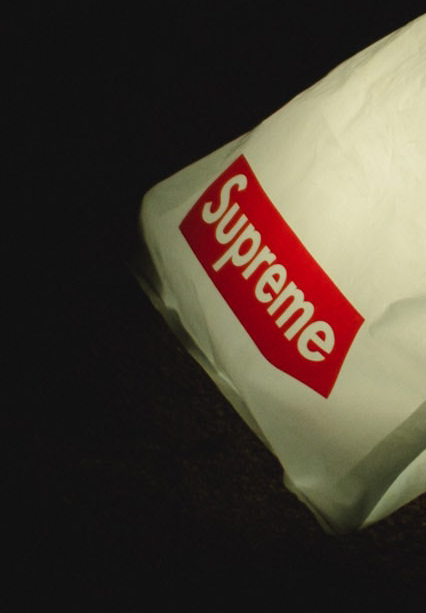
Supreme box logo on a garment, an example of an apparel brand collaboration

Apparel collaborations

Collaborations with streetwear and fashion labels can introduce a brand to an entirely new audience. Bruce has worked with Supreme, Anti Social Social Club, Autocannon, MSTR and Forever 21. These deals move fast and depend on clear terms for design approval, drop timing, quantities and channels.

Toys, hobby and collectibles

Toy and collectibles partners include major manufacturers and specialist hobby companies. Bruce has worked with Mattel, Hasbro, Spin Master, Tomy, Maisto, Tamiya and others. Approvals focus on accuracy, safety and packaging, and timelines follow the retail buying calendar.

Watches, accessories and lifestyle

Watches, jewelry and accessories were among the categories Bruce managed at Honda, and his partners have included the watchmaker BRM.

Retail and promotional merchandise

Dealer, event and online store merchandise is often a brand’s first licensing program. We help brands organize it, choose suppliers who can meet standards, and decide when a category is ready to move to a royalty bearing license.

Questions we hear

What is the difference between licensing and merchandise sourcing?

With sourcing, the brand buys products and sells them itself. With licensing, a partner makes and sells the products and pays the brand royalties, while the brand approves what carries its marks.

How do apparel collaborations usually work?

The partners agree on a limited collection, share design and approvals, and set terms for quantities, channels and revenue. Collaborations are often shorter and more focused than a standard license.

Which categories should a brand license first?

Usually the ones its customers already expect to see, close to the core product and audience. We map the categories and sequence them so early programs build credibility for later ones.

Garfield Agency provides licensing strategy and business services. It is not a law firm and does not give legal advice. For trademark filings, clearance opinions and litigation, work with a licensed attorney.

Related services

Talk with Bruce about your brand

Tell us what you own, what you want it to do, and where you want it sold.