


09 Nov Barbour and Dior Launch Character Brand Collaborations
Character brands are moving into luxury, and the paperwork matters more than the headline
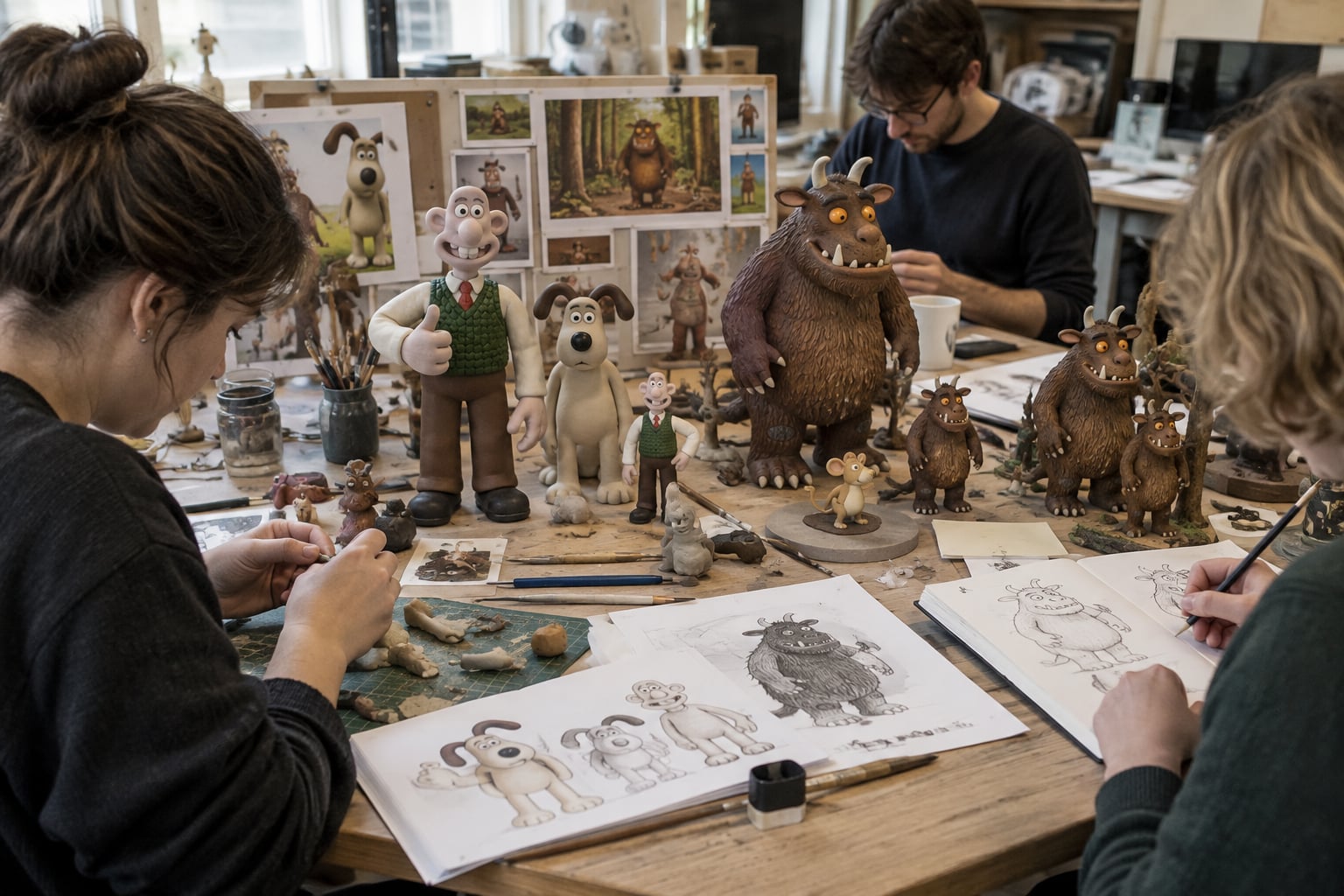
Two character brands landed in luxury fashion in the same news cycle. Barbour renewed its Christmas partnership with Aardman for a 2026 film starring Wallace & Gromit. Magic Light Pictures also announced a luxury capsule with Christian Dior built around The Gruffalo. For brand owners, the useful question isn’t who got the headline. It’s what has to be settled before a character can sit on a Dior tote.
According to Licensing Source, Barbour “has once again teamed with Aardman” after last year’s collaboration. The Dior piece, which Licensing Source also covered, is described in its sidebar as a collection centred on embroidered Book Totes, men’s trainers, fine leather goods and couture charms. It is available across select Dior boutiques and at dior.com.
The coverage tells you what launched. It doesn’t tell you the royalty rate, the minimum guarantee, the approval process or how long either deal runs. Licensors usually win or lose on those terms. Treat these announcements as proof that the structure exists, not as a template.
What the coverage does and doesn’t show
Luxury capsules built on children’s characters aren’t new. Still, they stretch a licensing program in two directions at once. The character has to stay recognizable to families. The product has to hold up at a price point far above a typical plush or lunchbox.
A few details are worth pulling out. Both collaborations are seasonal. They’re tied to a Christmas film or a holiday selling window. Both partners already have a track record with the character, which usually makes approvals faster the second time around.
Nothing in the sources says what either partner paid or earned.
Any reading of the economics here is speculation.
Ownership problems can outlast the launch
A separate item in World Trademark Review’s weekly recap is a better warning for licensors. The US Trademark Trial and Appeal Board has ruled that signing an ownership agreement later doesn’t rescue a filing made by the wrong owner. The recap calls the case a “cautionary tale.” It says the ruling underscores the need to establish ownership from the outset.
A later ownership agreement cannot fix a registration filed by the wrong owner, so the owner has to be right on day one.
Put simply, a trademark is a brand name, logo or character that shows who stands behind a product, and a registration is the government record that protects it. If the wrong company filed that record, an agreement signed later may not repair it. That matters most when a character is licensed across several countries and several partners at once.
Protection after the launch
According to new research the recap cites, phishing campaigns are disappearing twice as fast as they used to. Criminals replace malicious domains quickly and move between platforms. That squeezes the time brand protection teams have to respond. For a luxury capsule with a high resale value, that window matters.
The recap also notes that the UK Intellectual Property Office plans closer scrutiny of design applications it considers potentially anti-competitive. CEO Adam Williams framed the move as part of reforms to strengthen confidence in the register.
That’s a UK policy item. Its direct effect on a US or West Coast licensor is limited, but it does signal where examiners are looking.
Questions people ask
What is a brand collaboration in licensing?
A brand collaboration is a partnership where two companies put their names or characters on a product together. Licensing usually means one party grants another permission to use its trademark for specific goods. In exchange, the licensee pays a royalty, which is a payment based on sales.
Why does trademark ownership matter for a character deal?
The registered owner is the party with the legal right to license the character. If the filing names the wrong owner, later paperwork may not fix it. Check the record before you sign.
Do the sources show what these deals pay?
No. The announcements describe the products and the partners but do not disclose royalty rates, guarantees or sales targets.
Who should review a licensing deal’s legal terms?
Garfield Agency is a licensing strategy agency, not a law firm, and it does not give legal advice. Questions about registrations, filings and contract language should go to a licensed attorney.
If you’re planning a character or collectibles collaboration and want help structuring the deal and checking your licensee list, Garfield Agency works with brand owners on the West Coast. See how the agency approaches trademark licensing before your next partner conversation.
No Comments