


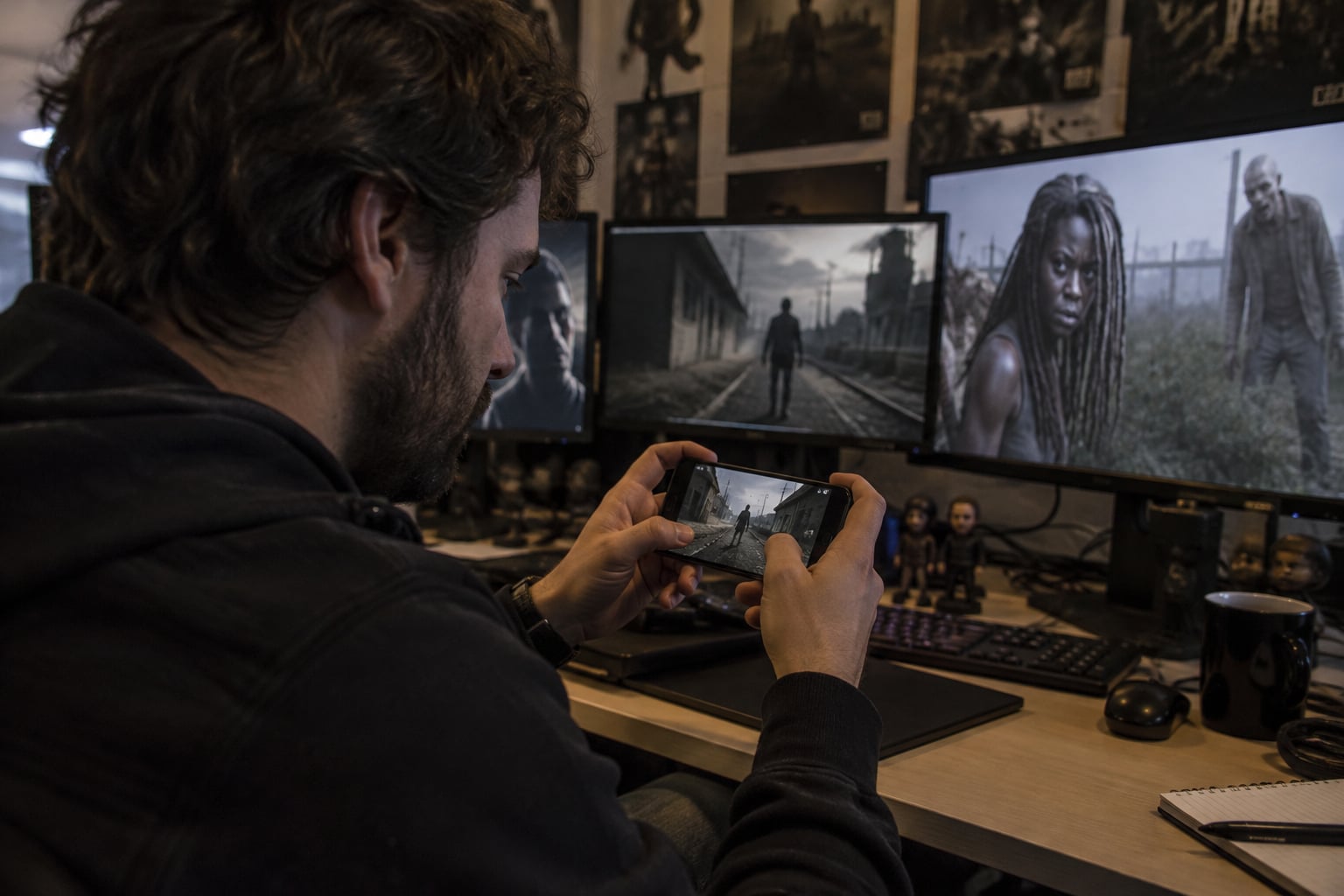
18 Nov Yodo1 Games Signs Deal with AMC Global Media
According to GamesIndustry.biz, Yodo1 Games, a Beijing-founded games company, has signed a digital licensing deal with AMC Global Media, an American firm. Yodo1 will find and support Chinese game developers and publishers to make games based on AMC franchises, among them The Walking Dead and Anne Rice’s Interview with the Vampire. For brand owners, the deal is a useful example of what a licensee should be able to show before you sign anything.
Key takeaways
- Yodo1 describes its role as more than passing a franchise from licensor to developer.
- It studies each franchise first. The company says it looks at priorities and release plans, and at who the audience is.
- Ask a potential licensee for its track record and the format of past deals.
- Test any claim about reach in foreign markets with specifics.
Why the licensee’s understanding is the real product
A licensor is the brand owner that grants permission to use its trademark or intellectual property (IP) on products or games. The licensee is the company that builds and sells the product. It pays a royalty, usually a percentage of sales, in return. In a game deal, the licensee’s judgment about the franchise matters as much as its reach.
Henry Fong, co-founder and co-CEO of Yodo1, told GamesIndustry.biz that the company’s role goes well past connecting two parties. He said the company’s involvement is “much deeper than simply acting as a conduit between licensee and licensor.” For each project, he added, Yodo1 wants “a deeper understanding of a franchise’s priorities, upcoming releases, target audiences and long-term ambitions.” A partner who can explain your brand’s plans back to you is usually one who has done the homework.
That is a fair standard to hold any licensee to.
A licensee that can’t describe your franchise’s next two years is a licensee that hasn’t listened.
What to ask a potential licensee
Yodo1’s own history gives you a template for questions. The company was founded in Beijing in 2011 as a mobile game publisher. It started its Brands in Games business in 2019. That unit focuses on licensing partnerships and collaborations, plus original game development. According to the interview, its partners include Hasbro, Netflix, AMC Networks and Paramount.
Ask for a timeline like that from every candidate.
Find out which franchises they have carried. Check how long each arrangement ran. Ask whether the work was a standalone game or a limited-time collaboration. Yodo1 describes both formats: bringing a franchise into an existing mobile game for a limited run, or building a standalone game around one IP.
Reach across markets is a claim to test
Yodo1 says it is a fully remote company. Its team members work across Asia and Europe, plus the Americas. Fong said that presence matters because the company works across “very different markets, business cultures and licensing environments.” For a West Coast brand owner, the useful question is who actually reviews the product and the audience data in each market.
GamesIndustry.biz also argues that the flow between China and the West runs both ways. Its writer, Lewis Packwood, points to Human: Fall Flat. He says it has reached 60 million players, and he credits its popularity in China for a large share of that success. That is the writer’s account, not a figure Yodo1 offered, so treat it as reporting rather than confirmed data.
What this does not tell you
This is one interview with one company. The source does not disclose the financial terms of the AMC deal, the royalty structure or any sales results. It gives only “earlier this month” as the announcement timing. Those gaps matter. If a licensee won’t discuss terms with you in a similar way, that is worth noting in your evaluation.
For brand owners weighing a foreign partner, the lesson is less about one deal. It is more about the questions you put on the table. Legal questions about contract language belong with a licensed attorney. The business questions are yours to press before anything is signed.
Questions people ask
What is a licensee in brand licensing?
A licensee is the company that receives permission to use a brand’s trademark or IP on products, games or services. In return, it usually pays the licensor a royalty, often a percentage of net sales.
Why does a licensee’s market knowledge matter?
A licensee working across several markets has to adapt a franchise to different audiences and licensing customs. Yodo1 says it weighs these differences on every project, which is why the question is worth asking any candidate.
What should I ask a potential licensee first?
Start with its track record. Which franchises has it handled? How long did each deal run, and in what format? Then ask for a written plan that shows how it understands your brand’s priorities and audience.
If you are weighing licensees for your brand and want help judging whether a licensee is a good fit and how its deals are structured, the Garfield Agency team works with brand owners on the West Coast.
No Comments